Doogee S200 Max Rugged Phone Review: Real User Experience After 3 Months
Introduction
I've been using the Doogee S200 Max rugged phone as my daily driver for just over three months now. I bought it with the intention of replacing a fragile phone I used to baby on outdoor jobs and weekend hikes. I wanted something that could survive drops, water, and long stretches away from a charger while still being a practical smartphone for maps, messaging, and music. In this review I’ll walk through my real-world experience—what I liked, what frustrated me, and where this phone makes the most sense.
How I Tested It
My testing routine was fairly straightforward and intentionally practical: about 90 days of mixed use that included daily commutes, outdoor work, occasional light hiking, and several weekend trips where I left my power bank at home. I installed the apps I usually rely on (navigation, messaging, a couple of games, photo app, streaming audio) and used the phone for calls, music, photography, and light gaming. I didn't run synthetic benchmarks or lab-grade environmental tests; instead I wanted to know how it handles the mess and grind of real life.
Design and Build Quality
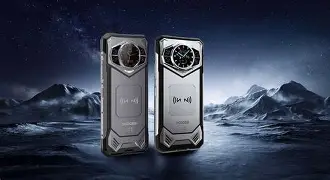
Out of the box the S200 Max makes its purpose obvious. It’s heavy in hand and chunky compared to mainstream phones, but that’s part of the trade-off for toughness. The frame is reinforced, the corners are protected by oversized bumpers, and there’s a tactile rubberized finish that actually helps grip when my hands are wet or muddy. I appreciated the physical buttons—programmable button, volume, and a recessed power key—that are easy to find by touch when the phone is in a jacket or a pocket.
Something I noticed quickly was the headphone-port-like rubber flap that covers the USB port and SIM tray. It seals well but becomes fiddly after a few weeks of frequent charging; you have to be deliberate when opening and closing it. The device survived a couple of accidental drops—one onto gravel from pocket height and one from chest height onto concrete—without any cosmetic or functional damage, which was exactly what I bought it for.
Display
The screen is big and bright enough for outdoor readibility, especially in direct sunlight where many phones struggle. Text and navigation apps are easy to read while I’m outdoors. Colors aren’t as punchy as higher-end OLED displays, and viewing angles are average, but the touch response remained reliable even when I used the phone with gloves (in glove mode) a handful of times.
One thing I found was that the default screen calibration leans a touch cool. After a little fiddling in the display settings I got colors to something more natural. The Gorilla-class protection (as advertised) seems to do its job—no scratches from keys in a pocket during my testing—but I still used a tempered glass protector from week two onward because I prefer the peace of mind.
Performance
In daily use the S200 Max handled messaging, email, web browsing, and navigation without issue. Apps open at a reasonable speed and multitasking works fine for normal tasks. When I pushed it—running a navigation app, music streaming in the background, and a chat client concurrently—the phone did warm up and stutter occasionally. Heavy 3D gaming is not this phone’s playfield; frame drops in demanding titles were expected.
For me, the performance felt "good enough" for a rugged device. If your primary use case is industrial apps, maps, field data collection, or basic productivity, it will do the job. If you plan to use it as a gaming rig or for heavy photo/video editing on-device, you’ll notice its limitations.
Discover deals on Laptops & Computers — updated daily.
See Deals →Battery Life and Charging
Battery life is one of the areas where the S200 Max impressed me. On a typical day of navigation, messaging, a few photos, and music streaming I got well over a full day—usually stretching into two days of light use. On heavy use days with extended navigation and frequent photos, I still cleared a long workday without panic-charging. Leaving the phone idle for a full weekend without many notifications, I returned to it with a healthy charge left.
Charging is sensible rather than blazing fast. It takes longer than flagship phones to reach a full charge, but the included charger and cable did the job. I liked that I could top up quickly enough during a lunch break for a few hours of navigation—convenient when I was away from power for long stretches.
Camera Experience
The camera setup produced acceptable photos in daylight. Colors were slightly muted compared to flagship phones, but detail and dynamic range were fine for social sharing and documentation. I relied on the camera to scan receipts, take site photos, and capture a few landscape shots on weekend hikes. Macro mode is decent for close-up textures and plants; it’s not studio-grade but it’s practical.
Low-light performance is where the camera struggled. Night photos looked noisy and softer, and the automatic night modes sometimes overprocessed images into unn…
Connectivity, Ports, and Extras
I used the phone on a few carriers and didn’t experience dropouts that were different from normal phones—calls were clear and LTE performance felt standard for the networks I used. The phone’s GPS lock was fast and remained accurate during hikes and in urban canyons, which mattered a lot to me when relying on offline maps.
The S200 Max includes several practical extras: a programmable PTT (push-to-talk) or shortcut button, FM radio support, and a set of sensors (compass, ambient light, etc.) that have proven useful in the field. There’s an IP-style water/dust sealing that I tested with a heavy rain shower and a river-splash incident; the phone kept working afterward without a hitch. The speaker is loud but thin-sounding—fine for podcasts and directions but not great for music listeners who want richer sound.
Software and Updates
The software experience is mostly stock Android with a few Doogee customizations. I liked the uncluttered home screen and straightforward settings. There were a couple of convenience apps preinstalled that I didn’t need and uninstalled or disabled. I noticed occasional small firmware updates during my ownership, but I don’t have expectations of rapid OS version upgrades for devices in this category—so I treat updates as a welcomed bonus rather than a given.
Security features like fingerprint unlock and face unlock worked acceptably. The fingerprint reader is placed where my thumb lands naturally and unlocked the phone quickly in most conditions. Face unlock is convenient but less reliable in very low light.
Find top-rated Laptops & Computers products at great prices.
Shop Amazon →Durability: Real-World Ruggedness
This phone’s whole reason for being is durability, and in that respect it delivered. The oversized bumpers absorbed shocks, and the seals kept dust and water out during outdoor chores and rainy days. After three months of rough handling and being tossed in my work bag with tools, there were only minor scuffs on the rubber corners—no cracks, no screen separation.
That said, rugged phones are not indestructible. I had one incident where the rubber cover for the USB port took a small tear after repeatedly opening it to plug into a charger in muddy conditions. Functionally the port remained sealed well enough, but that wear is something to be aware of—these flaps are necessary for sealing but are also a wear point over time.
What I Liked and What I Didn’t
- What I liked: Excellent battery for long days away from power, real-world toughness, readable outdoor display, practical hardware buttons, reliable GPS.
- What I didn’t like: Heavier and bulkier than mainstream phones, camera struggles in low light, slightly slow charging, rubber port flap is a wear item, not ideal for heavy gaming or power users.
Pros & Cons
- Pros:
- Long battery life—comfortably goes through a workday and often two
- Solid rugged build that survived drops and water exposure
- Good outdoor visibility and usable touch response with gloves
- Practical hardware features (programmable button, FM radio, tactile keys)
- Accurate GPS and reliable connectivity for fieldwork
- Cons:
- Bulky and heavy compared to standard smartphones
- Camera is average, especially in low light
- Charging is adequate but slower than many modern phones
- Rubber seals/flaps can show wear after heavy use
- Not targeted at high-performance gaming or content creation
Comparison Table: Doogee S200 Max vs Typical Rugged Alternatives
| Feature | Doogee S200 Max (my experience) | Typical Rugged Alternative (general) |
|---|---|---|
| Durability | Very robust; handled drops, water splashes, and dust in daily use | Comparable—many rugged models offer similar IP and drop protection |
| Battery Life | Excellent—often lasts 1–2 days with mixed use | Varies; many rugged phones prioritize big batteries too |
| Display | Bright and readable outdoors; moderate color accuracy | Some alternatives use higher-contrast panels or AMOLED |
| Camera | Good in daylight, weak in low light | Some rugged phones prioritize better sensors—varies widely |
| Performance | Solid for daily tasks; not for heavy gaming | Higher-end rugged models may have faster SoCs |
| Price-to-value | Very good for users needing durability and long battery | Can be more expensive for rugged phones with flagship internals |
Buying Guide: Who Should Consider the S200 Max?
If you work outdoors, spend a lot of time hiking, or need a no-nonsense phone that won’t quit when it gets wet or dropped, the Doogee S200 Max is worth considering. Here are the key questions I asked myself before and during ownership, which might help you decide:
- Do you need durability above all? If yes, the S200 Max delivers in real-world conditions.
- Do you often forget chargers or are away from power? The battery life here is a major advantage: one charge can comfortably carry you through a long trip.
- Is camera performance a top priority? If you rely on excellent low-light photos or mobile videography, look at phones that emphasize camera hardware instead.
- Do you mind a heavier pocket? It’s a trade-off: the robustness brings weight and bulk. If pocketability is a must, consider a non-rugged option.
- Are carrier bands and warranty important? Check with your carrier for band compatibility and verify the warranty terms in your region; rugged phones are handy but servicing options are sometimes more limited than mainstream brands.
Practical Tips If You Buy One
- Pick up a spare USB port cover or protective case accessory if you plan heavy repeated exposure to mud or salt water—those flaps are functional but wear over time.
- Install a tempered glass protector early on. It adds minor bulk but gives peace of mind for screen protection.
- Use the programmable button for quick access to flashlight, push-to-talk, or camera—set it up to match your workflow.
- Disable or remove bloatware you don’t need to free up storage and reduce background activity.
- Keep an eye on firmware updates; apply them when convenient because they can improve stability and connectivity.
Final Thoughts and Conclusion
After three months with the Doogee S200 Max, I can say it delivered exactly what I was hoping for: a dependable, rugged phone that simplifies life on the go rather than complicating it. I liked the battery life, the build quality, and the practical conveniences like the programmable key and glove-friendly touchscreen. It gave me peace of mind on wet, muddy, and drop-prone days.
There are compromises—primarily in camera performance, bulk, and top-tier speed—but those are trade-offs I expected entering this segment. If your priorities are durability and long battery life over slim design and flagship-level cameras, the S200 Max is a very practical choice. In my experience, it turned out to be a resilient companion for fieldwork and outdoor life.
Overall, I found the Doogee S200 Max rugged phone to be a solid, honest device that does the job it’s built for. It’s not perfect, but for what it delivers in toughness and battery endurance, I’ve been satisfied with how it performed day after day.